Published September 15 2026 9 minutes to read
Key Takeaways
Canadian hardware prices in 2026: Starlink Mini kit at C$299-C$399 (promos as low as C$249-C$299) vs Starlink Standard kit at about C$349-C$399.
Roam speeds are capped by the plan, not by the dish: about 50-100 Mbps typical on Roam 100 GB and 100-200 Mbps on Roam Unlimited, with the Standard running roughly 20-30% faster than the Mini in side-by-side tests.
Standard ships with a separate tri-band Wi-Fi 6 router (Router 3) covering up to about 3,200 sq ft; the Mini has a built-in Wi-Fi 5 router limited to roughly 1,200 sq ft.
Both dishes share the same Roam plans (100 GB C$75, 300 GB C$110, Unlimited C$200/month), so portability, power draw and Wi-Fi coverage - not raw speed - are usually the deciding factors.
In Canada, the Starlink Mini now costs less than the dish it competes with: about C$299 to C$399, against C$349 to C$399 for the Standard (Gen 3), and retail promos have pushed the Mini down to C$249-C$299. That is the price flip of 2026 - the portable dish became the cheap one while the bigger dish kept the faster speeds, the Wi-Fi 6 router and the fixed Residential plan. The catch: Roam plans were re-priced twice this year, with a deep cut in January and C$5-C$10 added back in May, so the kit price is no longer the number that matters most. What follows is what each dish actually delivers in Canada, what it costs per month, and which one to buy for a cottage, an RV or a backpack.
2026 Update: What Changed for Canada Since October 2024
Three things moved since October 2024: the price of the hardware, the price of the plans, and the speeds people actually measure. The dishes barely changed.
1. Hardware prices: the Mini is no longer the expensive option
In Canada, the Starlink Mini kit now sells for roughly C$299 to C$399 depending on the retailer and the promotion, and Best Buy has periodically run it as low as C$249-C$299. The Starlink Standard (Gen 3) kit sits around C$349-C$399. Both now sell for well under what the Mini alone cost when it launched in 2024, which makes the Mini the cheapest way onto the network.
2. Roam plans were re-priced twice in 2026
Canada saw a large price cut in January 2026, followed by smaller increases of C$5 to C$10 in May 2026. The Mini still requires a Roam plan - it cannot be activated on the fixed Residential service - and the Canadian Roam tiers are now:
| Roam plan (Canada) | Monthly price | Typical speeds | Best for |
|---|---|---|---|
| Roam 100 GB | About C$75 | Roughly 50-100 Mbps | Occasional weekend trips and backup use |
| Roam 300 GB | About C$110 | Not published by Starlink; sits between the two other tiers | Regular travel and remote work |
| Roam Unlimited | About C$200 | Roughly 100-200 Mbps | Full-time RV and nomad use |
Roam speeds cap out around 260 Mbps depending on the plan, the region and network congestion, whichever dish you use. Fixed Residential is a separate service class with higher headline speeds and its own monthly fee. One more Canadian detail: Quebec's provincial Starlink subsidy ended in June 2025, so Quebec buyers no longer get the monthly discount or free hardware.
3. Real-world speeds are higher than the 2024 specs suggested
Early 2024 guidance quoted 5-100 Mbps for the Mini. 2026 field testing tells a different story when the sky view is clear: the Mini now delivers 100-220 Mbps download on Roam, with peaks near 260 Mbps and uploads of 10-20 Mbps. The Standard is about 20-30% faster on average, typically landing in the 150-260+ Mbps range on Roam. In Canada, Starlink's plan summaries quote about 50-100 Mbps on Roam 100 GB and 100-200 Mbps on Roam Unlimited, and the difference between the two figures is congestion, not hardware. With a clean view of the sky, both dishes often sit in the same 100-250 Mbps band.
4. Router and Wi-Fi coverage still separate the two dishes
The Standard kit ships with a separate tri-band Wi-Fi 6 router (Router 3) covering up to about 3,200 sq ft, while the Mini has a built-in Wi-Fi 5 router limited to roughly 1,200 sq ft. For a cottage, a small cabin or an RV where you connect many devices, the Standard plus Router 3 keeps a clear coverage advantage.
5. The Mini's power and portability edge has not changed
The Mini is still smaller, lighter and far more power-efficient (often 20-40 W in practice) and it can run from a DC or USB-C power bank. For backpacking, overlanding and tight power budgets, it remains the better fit.
Quick comparison: the 2026 Canadian reality
| Aspect | Starlink Standard (Gen 3, Roam) | Starlink Mini (2026, Canada) |
|---|---|---|
| Typical Roam speeds | 150-260+ Mbps down on Unlimited, lower on capped plans | 100-220 Mbps down (50-100 Mbps typical on 100 GB, 100-200 Mbps on Unlimited) |
| Hardware price (Canada) | About C$349-C$399, promo dependent | About C$299-C$399, promos as low as C$249-C$299 |
| Roam plan pricing (Canada) | 100 GB: C$75 · 300 GB: C$110 · Unlimited: C$200 | Same Roam tiers as the Standard |
| Router / Wi-Fi | Separate Wi-Fi 6 (Router 3), about 3,200 sq ft | Built-in Wi-Fi 5, about 1,200 sq ft |
| Power draw | Higher (Standard kit, 50-75 W) | Lower (about 20-40 W), DC/USB-C friendly |
| Best for | Full-time cottage, home or RV with many devices | Travel, backpacking, low-power setups, occasional trips |
Prices are in Canadian dollars, before taxes, and change often by promotion and region. In the United States, the same hardware is commonly listed at USD $199 for the Mini and USD $279-$349 for the Standard kit. Always confirm the current price on starlink.com/ca before ordering.
Table of content
- 2026 Update: What Changed for Canada
- Concept and Vision
- How Starlink is Changing Internet Access
- Understanding the Basics: Standard vs Mini
- Starlink Mini versus Starlink Roam, what to choose
- Speed and Performance: How Do They Compare?
- Coverage and Field of View: A Technical Perspective
- Setting Up the Kit
- Cost Comparison
- Which Dish for Which User? Cottage, RV or Backpack
- Starlink Mini Availability
- Long-Term Considerations
The Concept and Vision Behind Starlink
Starlink is SpaceX's satellite internet service. Its satellites orbit at roughly 550 km instead of the 35,000 km used by older geostationary providers, which keeps latency in the 25-60 ms range - the difference between a usable video call and a useless one where no cable or fibre exists. For Canadian plans, hardware and provincial subsidies, see our Starlink Canada guide.
How Starlink is Changing Internet Access
In practice, that means a cottage on a lake or a farm past the last pole no longer has to settle for a 5 Mbps DSL line. Both consumer dishes run on the same satellite fleet and deliver anywhere from 50 to 260+ Mbps depending on the plan. What separates them is the plan each one can activate, the router in the box and how much power the dish draws.
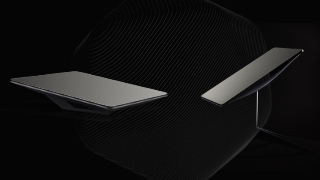
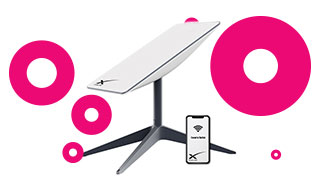
Standard (Gen 3) - about C$349-C$399. A 100° field of view, a separate tri-band Wi-Fi 6 router that covers roughly 3,200 sq ft, and access to the fixed Residential plan. Built for a house, a cottage or a full-time RV.
Starlink Mini - about C$299-C$399. A 90° field of view, a built-in Wi-Fi 5 router that covers roughly 1,200 sq ft, and a draw of about 20-40 W that a USB-C power bank can feed. Roam plans only. Built for a backpack, a van or a backup kit.

Understanding the Basics: Standard vs Mini
The Key Differences
Two dishes, two different jobs. The Standard uses a larger antenna, ships with a Wi-Fi 6 router and can be activated on the fixed Residential plan. The Mini trades antenna size and router quality for a package that fits in a backpack, runs on 20-40 W and, since the 2026 price cuts, costs less than the Standard kit.
| Aspect | Starlink Standard | Starlink Mini |
|---|---|---|
| Use Case | Suitable for most applications, including home internet, streaming, gaming, video calls, and web browsing | Aimed at travelers, campers, and those who need portable internet on-the-go |
| Size | Larger antenna | Smaller and more compact |
| Reliability | Limited by service plan and network conditions | Designed for portability and reliability on-the-go, but may have limited connectivity in extreme weather conditions |
| Hardware price (2026) | About C$349-C$399, promo dependent | About C$299-C$399, promos as low as C$249-C$299 |
| Service plan | Residential plan, or any Roam plan for mobile use | Roam only: 100 GB C$75, 300 GB C$110, Unlimited C$200 per month |
| Coverage | Field of view of 100 degrees | Field of view of 90 degrees |
| Speed | 150-260+ Mbps on Roam Unlimited, higher on Residential | 100-220 Mbps with peaks near 260 Mbps; 50-100 Mbps typical on Roam 100 GB |
| Router | Separate tri-band Wi-Fi 6 router (Router 3) | Built-in Wi-Fi 5 router |
| Wi-Fi coverage | Up to about 3,200 sq ft and 235 devices | Up to about 1,200 sq ft and 128 devices |
| Power supply | 50-75 watts | 20-40 watts |
Starlink Mini versus Starlink Roam, what to choose
Start with the terminology, because Starlink's naming confuses buyers every day: Mini and Standard are dishes, Roam is a service plan. A Standard dish can run on Roam, but a Mini cannot run on the fixed Residential plan. That one rule decides most purchases.
So the real question is not "Mini or Roam" but which dish you mount and which plan you pay for. A Mini on Roam 100 GB is the cheapest way to have internet at the lake on weekends. A Standard on Residential is the cheapest way to have internet at the lake permanently. RV owners usually land in between: a Standard dish on Roam Unlimited.
Speed and Performance How Do They Compare?
Download and Upload Speeds
The Starlink Standard offers faster download and upload speeds than the Starlink Mini, but the gap is smaller than it used to be. Based on our own testing and the 2026 field data, the Standard typically reaches 150-260+ Mbps download on Roam Unlimited and more on a fixed Residential plan, while the Mini reaches 100-220 Mbps download with peaks around 260 Mbps and uploads of 10-20 Mbps. On capped plans such as Roam 100 GB, both dishes are limited by the plan rather than by the hardware, so expect roughly 50-100 Mbps. The Standard remains the better choice for heavy streaming, gaming and video calls.
Reliability in Different Weather Conditions
Rain and wet snow cost both dishes throughput, because the signal has to push through more water in the air. The Standard absorbs that better: its larger antenna and 100° field of view keep more satellites in play, so it holds a usable link longer when precipitation thickens. In a snowbelt installation, that margin is the reason to pick the Standard over the Mini.
Coverage and Field of View: A Technical Perspective
Satellite Visibility and Connectivity
The Starlink Standard has a field of view of 100 degrees, while the Starlink Mini has a smaller field of view of 90 degrees. The Starlink Standard is designed for more demanding applications, has higher throughput capabilities, and can see and talk to more satellites. The Starlink Mini, on the other hand, is designed for basic internet activities like browsing, emailing, and social media, and is suitable for users who are in areas with clear sky views and fewer environmental obstructions.

Impact on Internet Speed and Quality
That extra 10° of sky view matters where obstacles cut in: a tree line, a roofline, a mast or a canyon wall. With a clear horizon, the two dishes perform similarly; put something in the way and the Mini is the first to drop throughput.
Setting Up the Kit
What’s in the Box?
Both Starlink Mini and Standard kits come with all necessary components, including the dish, cables, and power supply. However, the Standard kit includes a separate tri-band Wi-Fi 6 router (Router 3) rated for up to about 3,200 sq ft and 235 devices, while the Starlink Mini has a built-in Wi-Fi 5 router limited to roughly 1,200 sq ft and 128 devices. If you plan to connect many devices or cover a cottage, the Standard kit's router is a real advantage.
Ease of Installation
Both kits are self-install: mount the dish with a clear view of the sky, plug it in, and the app uses the dish's motors and GPS to aim it. Budget 15 to 30 minutes for the Standard and less for the Mini. The Mini adds one practical advantage - it runs on 12 V or USB-C, so it can be set up in a van, a tent or a job site without an inverter or an electrician.
Cost Comparison
Initial Setup and Equipment Costs
In Canada in 2026, the Starlink Standard (Gen 3) kit sells for about C$349-C$399 and the Starlink Mini kit for about C$299-C$399, with retail promotions sometimes dropping the Mini to C$249-C$299. Remember that Roam service is required to activate a Mini, while the Standard kit can be used on a fixed Residential plan or on Roam.

The screenshot above shows the launch-era U.S. pricing (Mini at $599, Standard promo at $299). Those numbers have since dropped sharply, as shown in the 2026 tables on this page.
Monthly Service Fees
Canadian Roam pricing was cut significantly in January 2026 and adjusted again in May 2026. Expect about C$75 per month for Roam 100 GB, C$110 per month for Roam 300 GB and C$200 per month for Roam Unlimited. The same Roam tiers apply to both dishes, so the Mini does not cost more per month than the Standard once both are on Roam. A fixed Residential plan for the Standard dish remains a separate product with its own monthly fee.
Which Dish for Which User? Cottage, RV or Backpack
Cottage or full-time home: Standard dish on the fixed Residential plan. You get the fastest speeds Starlink sells in Canada, a Wi-Fi 6 router that covers the site and about 235 devices, and no monthly data bucket to watch.
RV and seasonal travel: Standard dish on Roam Unlimited if you park for weeks at a time and run several devices - it is roughly 20-30% faster than the Mini. Mini on Roam Unlimited if you move often and want the dish stowed in a minute.
Weekend and backup use: Mini on Roam 100 GB. C$249-C$399 for the kit, about C$75 per month, and it runs off a power bank. It is the cheapest backup internet in Canada that is not a phone hotspot.
Backpacking, overlanding and work sites: Mini only. A 20-40 W draw and a 12 V/USB-C input are the deciding specs here, not megabits.
Starlink Mini Availability
In 2026, availability is not the constraint it was in 2024. Both dishes are sold in Canada, the United States, most of Europe, Latin America, Australia and New Zealand, either directly from Starlink or through retailers such as Best Buy. In Canada, Starlink's coverage checker clears the large majority of addresses, including rural and remote regions where no cable or fibre exists. We re-check Starlink's official Canadian site for pricing, promotions and availability regularly.
Long-Term Considerations
Technological Advancements and Updates
Neither dish has a published end-of-life date, and both receive firmware over the air, so a kit bought in 2024 still runs current software. Treat the hardware as a three-to-five-year purchase rather than a ten-year one: SpaceX has repriced and restructured plans twice in two years, and resale value on used kits is thin.
The real long-term constraint is not durability, it is plan eligibility. A Mini stays on Roam-class plans, so if you later want the fixed Residential service, you need a Standard dish. Buy a Mini as a permanent installation and you may end up buying a second kit.
Scalability and Flexibility
The Standard is the more scalable of the two: its Wi-Fi 6 router handles about 235 devices against the Mini's 128, it can move between Residential and Roam plans, and it is the only one of the two that can serve a household as the primary connection. The Mini's strengths are mobility and power draw, and it does both better than the Standard ever will.